Glue Work: The Invisible Load Holding Teams Together
THE WORK NOBODY SEES
Glue work - unblocking, onboarding, reviews, docs - is what makes teams actually ship, yet activity metrics can't see it. How to notice, value, and share it.
The band we grade against.
Illustrative example
TL;DR: Every team has someone whose fingerprints are on everything and whose name is on nothing: the person who unblocks, onboards, reviews, documents, and coordinates. Tanya Reilly named it glue work and called it what it is - technical leadership, routinely unrewarded. It's invisible to activity metrics, it concentrates on whoever volunteers (the research says: disproportionately women), and when the glue person burns out or leaves, teams discover what was actually holding them together. The fix isn't gratitude. It's accounting.
Do this exercise honestly: picture your team shipping its last big thing. Now subtract the person who noticed the new hire was stuck, caught the integration issue in the design review, chased the other team about the API change, and updated the runbook nobody else would touch. Still shipping?
Now check your metrics dashboard for that person. Middling commit count. Modest PR tally. On paper, replaceable. The dashboard is lying, and the lie has a name.
What is glue work?
Tanya Reilly's "Being Glue" defined the category in one of the most-cited engineering talks of the last decade. Glue work is, in her words, "noticing when other people in the team are blocked and helping them out. Or reviewing design documents and noticing what's being handwaved or what's inconsistent. Or onboarding the new people and making them productive faster." Add: process improvement, cross-team coordination, documentation, the follow-up nobody else sends.
Reilly's central claim is the one leaders keep missing: this is technical leadership. Not admin, not a personality quirk. It's the work that determines whether ten talented individuals function as a team or as ten adjacent silos, the entire Communication-and-collaboration dimension that the SPACE framework says productivity can't be understood without.
Why glue work is invisible in your metrics
Activity metrics count artifacts: commits, PRs, lines, tickets. Glue work produces almost none in the glue person's name. Its outputs materialize in other people's artifacts. The unblocked teammate ships the PR. The prevented disaster produces, by definition, nothing. The well-onboarded hire ramps in half the time, and the halved time appears in no one's column.
This is the sharpest practical case against scoring individuals on activity: naive per-person metrics don't just miss glue work, they punish it. Every hour spent unblocking a colleague is an hour of your own missing output. Rank people on activity, or run a forced curve, and you've made holding the team together a firing offense. Teams then act surprised when nobody volunteers to hold the team together.
The traces do exist, if you look sideways: who reviews everyone's code, whose name fills the co-authored-by trailers, who answers in every thread, whose knowledge spans the areas everyone else avoids. The work log of a glue person is legible - just not in the columns dashboards default to.
Who ends up doing the glue work
Reilly's talk carries the uncomfortable receipt: the research she cites found women volunteer for non-promotable tasks about 48 percent more often than men, and are asked to do them about 44 percent more often. Glue work doesn't distribute; it accretes on whoever is conscientious enough to notice it needs doing, and the noticing is not evenly assigned.
Left unmanaged, this plays out in one of three bad endings:
- The career stall. The glue person comes up for promotion and the committee sees thin "technical" output. Reilly's talk is substantially a warning about exactly this. Your best team-multiplier learns that helping was a mistake. They stop, or they leave.
- The burnout spiral. Glue is load. Invisible load doesn't get rebalanced, and unbalanced load is the standard prequel to burnout you'll later claim came out of nowhere.
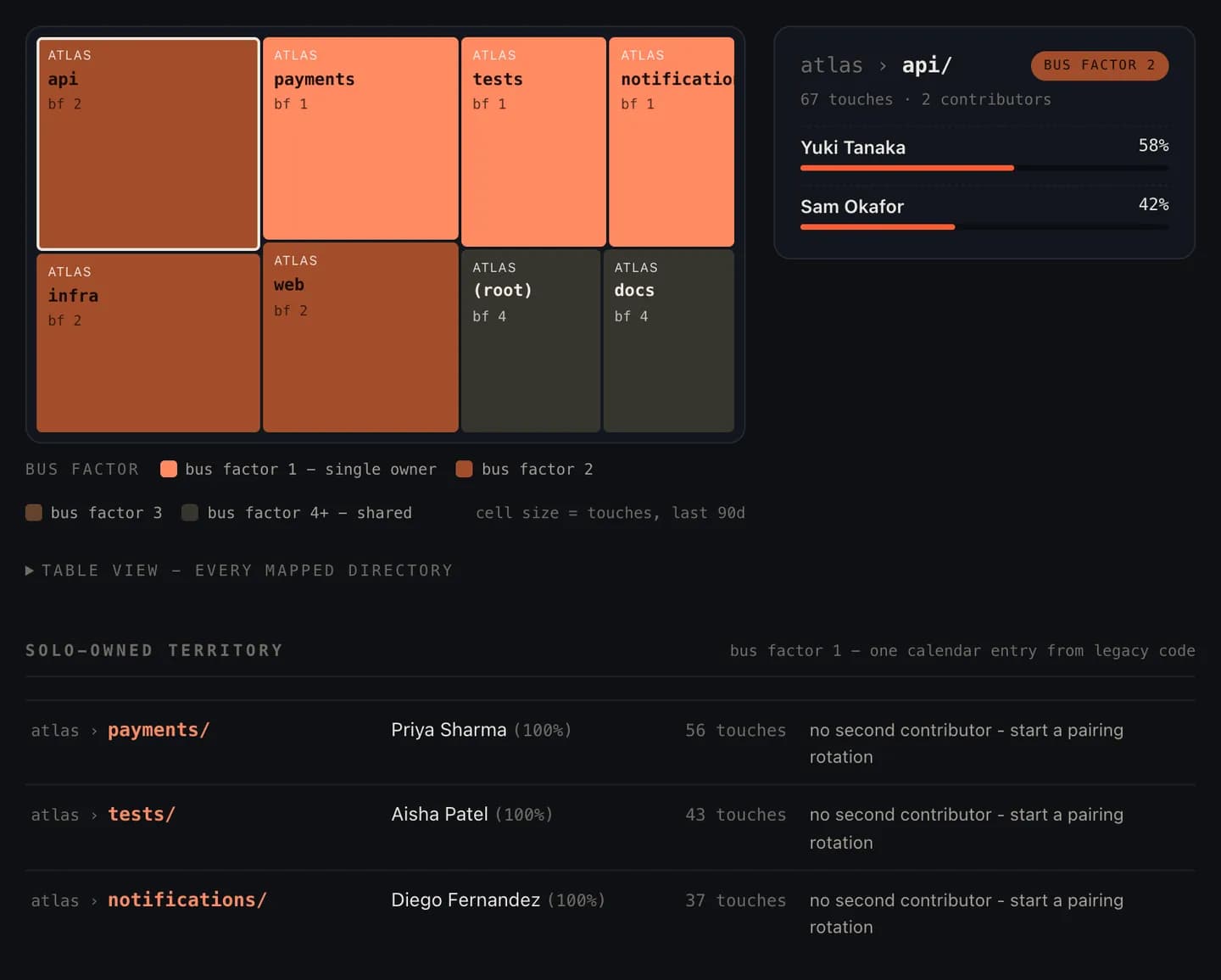
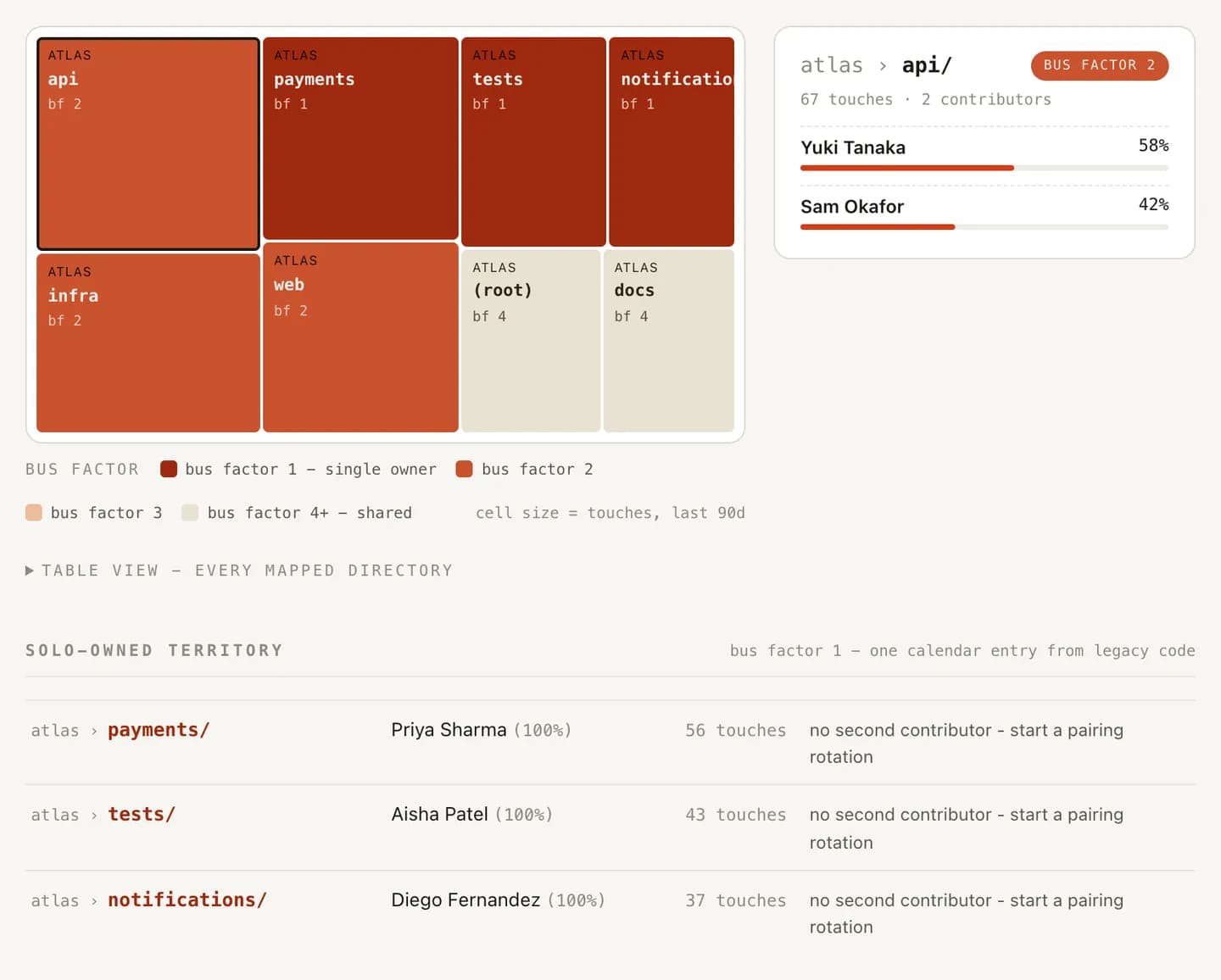
- The silent bus factor. When the glue person leaves, teams discover that coordination, context, and the onboarding path were a single person wearing a process costume - a key-person risk that never appeared on any risk register because no one measured what she actually did.

How to make glue work count
- Name it. In planning, in retros, in reviews: "unblocking three people" is a deliverable, out loud. What has a name can be valued; what's invisible can only be exploited.
- Put it on the scorecard, not the leaderboard. Unique contributions (review quality, onboarding, coordination, docs) belong explicitly in how you assess and promote people. Not as a rank, since glue work is exactly what rankings destroy, but as a first-class category of value a person carries, with receipts: who they unblocked, what they reviewed, who they ramped.
- Distribute it deliberately. Rotate onboarding buddies, review stewardship, and process ownership like on-call: visible and shared, never gravitational. If one person's review load dwarfs the team's, that's a rebalancing task with a deadline, not a fun fact.
- Fix the promotion trap. Reilly's advice to individuals is to choose glue-heavy roles deliberately, with a title and ladder that reward it. The org-side mirror: make sure a team-multiplier can be promoted on multiplier evidence. Otherwise accept that your ladder is quietly firing your best glue.
- Audit your own reading of "low performers." Before concluding someone ships too little, check their work-log shape: the low-commit engineer who touches every review and every incident isn't behind. They're load-bearing.
Raw talent doesn't decide which teams ship. Healthy, funded connective tissue does. Find your glue people before the exit interview does. Then do the radical thing: pay them like the leadership they've been providing all along.
Frequently asked
What is glue work?
Tanya Reilly's term for the less-glamorous work that makes teams succeed: noticing when people are blocked and helping them, reviewing design docs and catching the handwaving, onboarding new hires, improving processes, keeping communication flowing. Reilly's core argument is that this is technical leadership - it just often goes unrewarded.
Why is glue work invisible in engineering metrics?
Because activity metrics count artifacts - commits, PRs, lines - and glue work mostly produces outcomes in other people's artifacts. The unblocked teammate's PR, the disaster a design review prevented, the new hire who ramped in half the time: none of it lands in the glue person's activity column. Measured naively, your most valuable connector looks like your least productive engineer.
Who ends up doing glue work?
Disproportionately, whoever volunteers - and the research Reilly cites found women volunteer for non-promotable tasks about 48 percent more often than men, and are asked to do them about 44 percent more. Left unmanaged, glue work concentrates quietly on a few people, becomes career-limiting for them, and becomes a single point of failure for the team.
How do you make glue work count?
Name it, record it, and reward it. Put unique contributions - unblocking, onboarding, review quality, coordination - explicitly on scorecards and promotion criteria; distribute it deliberately instead of letting it accrete on the willing; and check whether your 'low activity' reading of someone is actually a high-glue reality.